|
| | 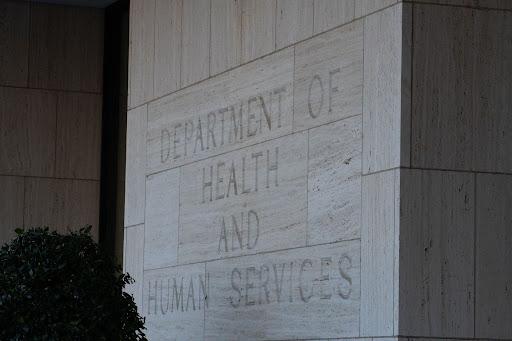 | Despite what you may have heard on social media, Utah is NOT a part of the current national Cyclospora outbreak, Utah’s Department of Health and Human Services says. (Douglas Rissing/Getty Images) |
| Don’t panic over those viral 💩 posts: You might have seen some worrying social media chatter linking Utah to a massive, multi-state outbreak of a stomach bug called Cyclospora. But local officials are urging everyone to stay calm. While the CDC’s national map technically puts Utah on the board, the Utah Department of Health and Human Services (DHHS) says our state's sole recorded domestic case is more than a month old and is completely unrelated to the broader national spike. [Utah DHHS] | - What is this bug, anyway? Cyclospora is a microscopic parasite that infects the small intestine, causing a gastrointestinal illness known as cyclosporiasis. It’s infamous for causing explosive, watery diarrhea, severe stomach cramps, nausea, and fatigue that can last for weeks if untreated. [CDC]
- How it spreads: You can’t catch it directly from another person, but rather by consuming food or water contaminated with the parasite. While it can survive chlorine in swimming pools, this current national outbreak is not pool-related — it’s almost entirely tied to raw, imported fresh produce. If you want to kill the parasite on your food, standard washing helps, but cooking your fruits and veggies is the only surefire way to destroy it. [KSL]
- We’re in the clear for now. While the national outbreak has ballooned to over 3,000 cases, Utah is currently unaffected by the spike. The majority of those sickened are thousands of miles away, heavily clustered in Michigan and Ohio. So keep washing your greens and prepping your food safely, but you can rest easy knowing our local food supply is in the clear. [Salt Lake Tribune]
|
|
|
|
|
| What Salt Lake's Talking About |
| | Pulling the Plug on Pineview | If you head up to Pineview Reservoir this summer, expect a lot less water. Ogden is actively draining the reservoir right in the middle of a drought. Why? They need to replace a leaky, century-old pipeline buried under the man-made lake. Officials say doing it now — when water levels are naturally low — saves time and millions of taxpayer dollars. [FOX 13] | | Happy 140th Birthday, Lagoon! | Can you believe Utah’s beloved Lagoon Amusement Park is turning 140 today? It originally opened in 1886 as a sunbathing resort on the shores of the Great Salt Lake before moving to its current location in Farmington. Since then, it’s been the backdrop of generations of Utah summers. A great fire in 1953 destroyed much of the park, but the Freed family vowed to rebuild the park one ride at a time, a tradition that continues to this day. [Salt Lake Tribune] | | John Green Is Coming to SLC | Heads up, book lovers: Megastar author John Green is coming to Salt Lake City this fall. The author of “The Fault in Our Stars,” “Looking For Alaska,” “Paper Towns,” and more will be at West High School to discuss his highly anticipated adult fiction debut, “Hollywood, Ending.” His newest book is a dual-POV romance exploring the cost of celebrity culture. The King’s English is hosting the event, and your ticket includes an autographed copy of the new book. Get yours before they sell out! [The King’s English] | | What’s Good Sex Ed in Utah? | The Sexuality Information and Education Council just gave Utah’s sex ed syllabus an F. What could gold-star sex education actually look like? [City Cast Salt Lake 🎧] |
|
|
|
| | | When you choose to participate in Rocky Mountain Power’s Blue Sky® program, you join a community of individuals dedicated to reducing carbon footprint and supporting renewable energy. In 2025, Blue Sky® participants collectively supported enough renewable energy to power 110,196 houses in a year. Join today to make a difference! |
|
|
|
|
|
Have you felt the ground rumbling lately? The University of Utah Seismograph Stations just dropped their latest update noting our region clocked a whopping 187 earthquakes over a recent two-week period. But don’t freak out, you probably didn’t feel a thing. The vast majority were tiny micro-quakes further south. |
| |
|
|
|


