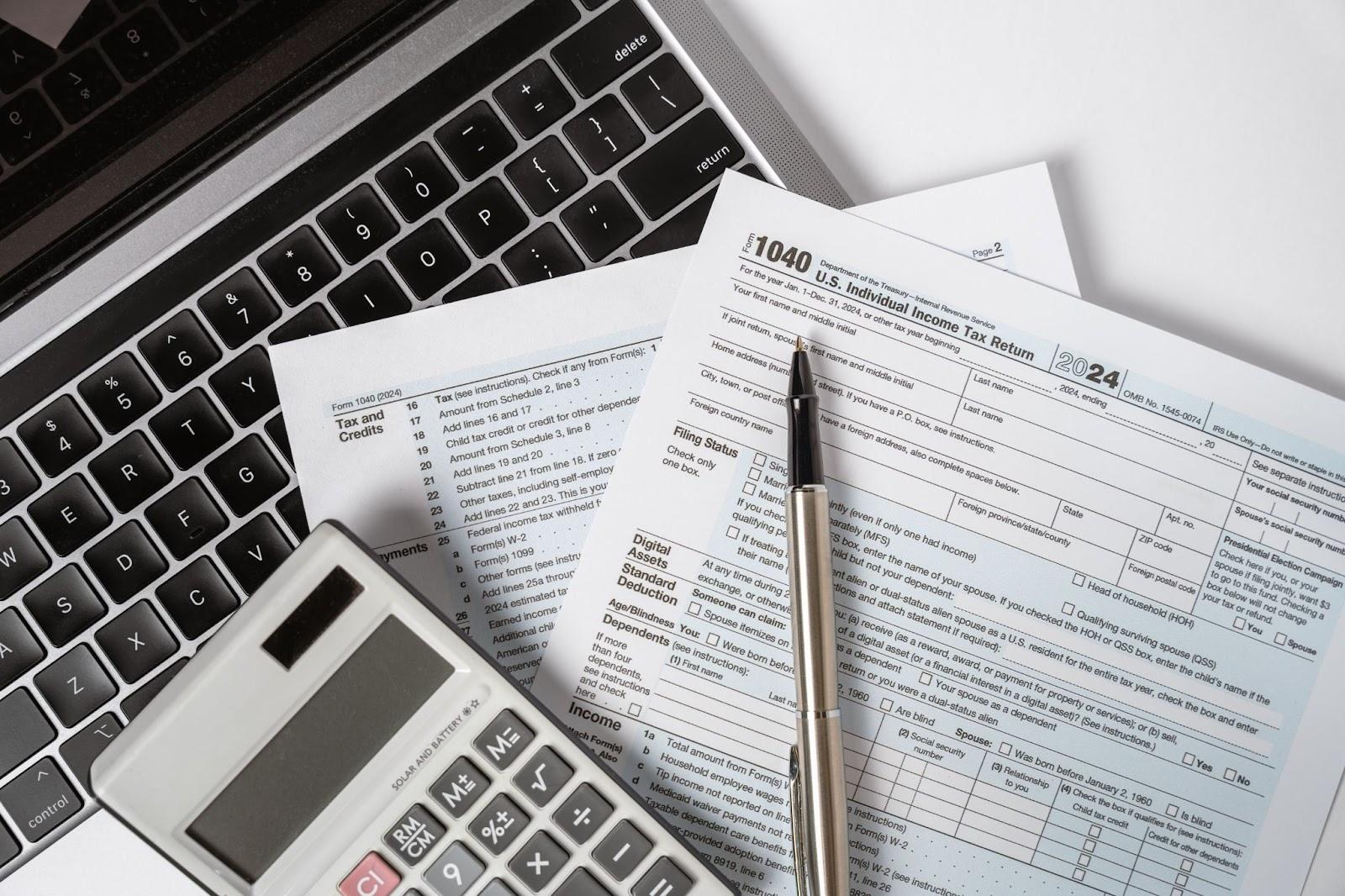
It's Tax Day, and while filing taxes may not top anyone’s list of favorite activities, it’s one of the most powerful ways we invest in our communities. On our City Cast Salt Lake podcast, we asked Jenna Williams, a tax and budget policy analyst with Voices for Utah Children: What do our taxes actually pay for?
What Do Our Taxes Pay For?
Taxes fund many essential services. We primarily pay three types of taxes: income tax, property tax, and sales tax.
💰 Income Tax
In Utah, income tax is constitutionally required to fund public education (K-12). Recently, it has expanded to higher education and social services for children and people with disabilities. Attempts by the Utah Legislature to remove this earmark have failed.
🏠 Property Tax
Helps fund local public schools, libraries, city services, emergency response, and our water supply. Even renters contribute indirectly since we pay rent to a landlord that pays property tax.
- Although, as we learned recently, sometimes it gets diverted to development projects.
🛒 Sales Tax
Supports transportation, roads, public safety, health and human services, and local government budgets.
- Also, sometimes, diverted to developers.
💸 Fines & Fees
Things like vehicle registration, parking tickets, or school fees, are forms of taxation and often fill budget gaps.
Progressive Tax vs. Regressive Tax
Not all taxes affect people equally.
A progressive tax adjusts based on what you earn, like income tax. Generally, higher earners pay more and lower earners pay less.
A regressive tax takes the same rate from everyone, like sales tax, which ends up hitting lower-income families harder since a larger share of their income goes toward basic expenses.
The Big Picture on Tax Cuts
As Utah lawmakers continue to cut income taxes, we’re seeing increased pressure on other revenue sources (i.e. higher property taxes, sales taxes, and fees). Additionally, those cuts put a strain on the services we all rely on, like schools, health programs, and infrastructure.
Utah's tax system overall is regressive … so it's OK to demand that our system be more fair and actually benefit low and middle income people and not just the wealthy.
Jenna Williams, Tax and Budget Policy Analyst for Voices for Utah Children