How well do you know Utah’s state symbols? Many of us know the state emblem that graces our flag (the beehive, of course), but do you know the state vegetable? Here’s the story behind some of the state’s official flora and fauna.
🌸 State Flower: Sego Lily
Not many get the chance to witness the glory of Utah’s state flower IRL, as its bloom period lasts only about two weeks. But thanks to the lovely mural above, located at 2150 S. State Street, you can experience the rare beauty of the sego lily all year long.
🦎 State Reptile: Gila Monster
In 2019, Utah designated a state reptile for the first time: the Gila monster. This venomous reptile species can be found in southwestern Utah. They primarily dine on tortoise and bird eggs, and small mammals, and can consume up to 33% percent of their body weight.
🦐 State Crustacean: Brine Shrimp
Brine shrimp, aka sea monkeys, thrive in the Great Salt Lake, and they play a major role in both our local and global ecosystems. In 2022, the shrimp population nearly collapsed due to dangerously low levels at the GSL.
- Related listening: Why should we care about brine shrimp? [City Cast Salt Lake 🎧]
🏔 State Mammal: The Rocky Mountain Elk
When they’re not crossing highways in droves, the Rocky Mountain elk inhabit Utah’s mountains. During the warmer months they can be found at higher elevations but move down in the winter in search of food. They average around 500-700 pounds and stand about 5 feet tall.
🌳 State Tree: Quaking Aspen
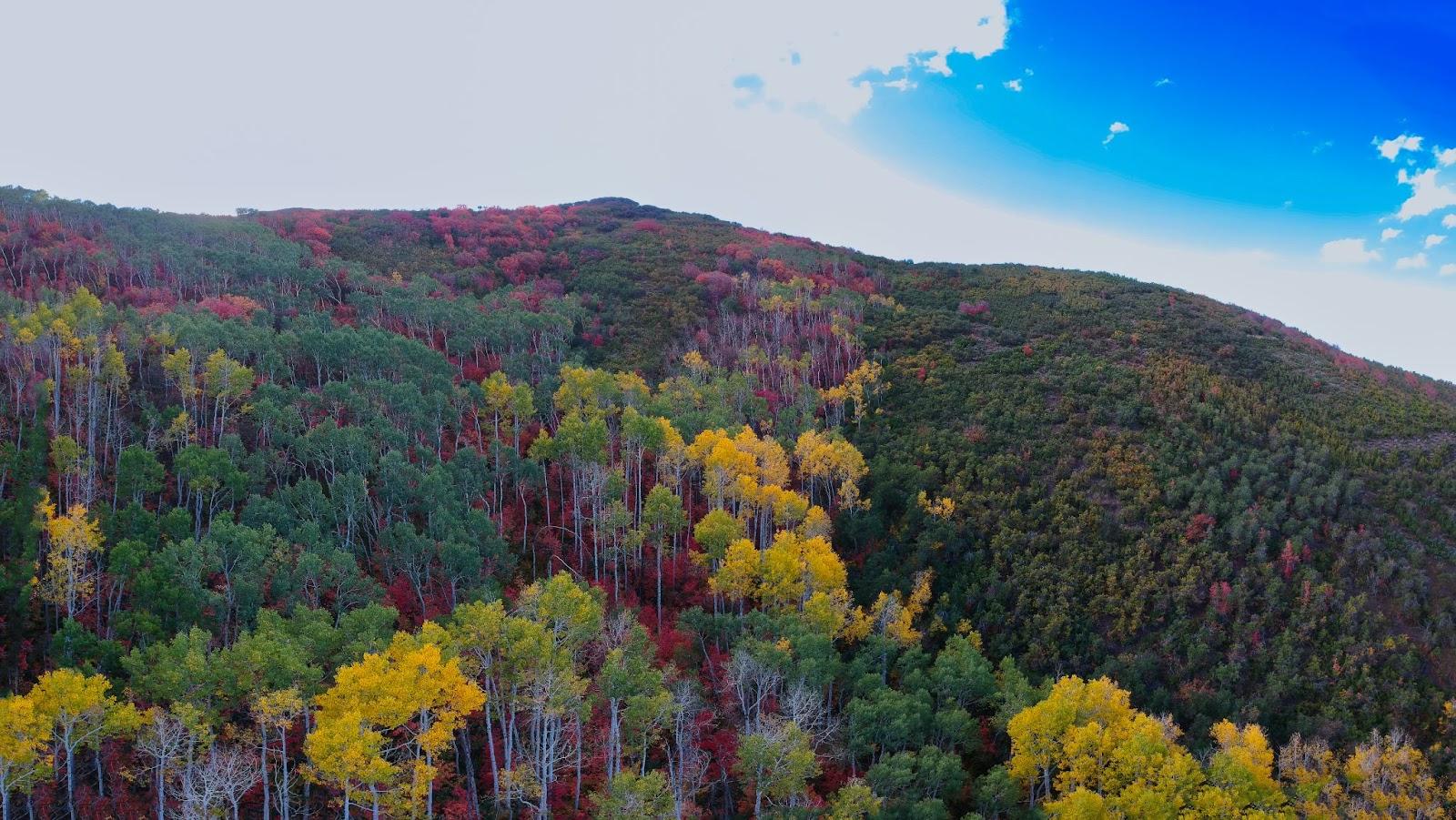
In 2014, the Utah state tree was changed from the blue spruce to the quaking aspen, thanks to fourth-grade students at Monroe Elementary. They helped pass a bill for the switch, arguing that the aspen represented Utah better (it makes up 10% of the state’s forest cover, while the spruce makes up 1%).
🧅 State Vegetable: Spanish Sweet Onion
The Spanish sweet onion replaced the sugar beet (which now has the state's “historic” vegetable title) in 2002. Onions are one of the leading crops in Utah. There’s even an annual Golden Onion Days festival in Payson.
Test your knowledge on even more state symbols below.