
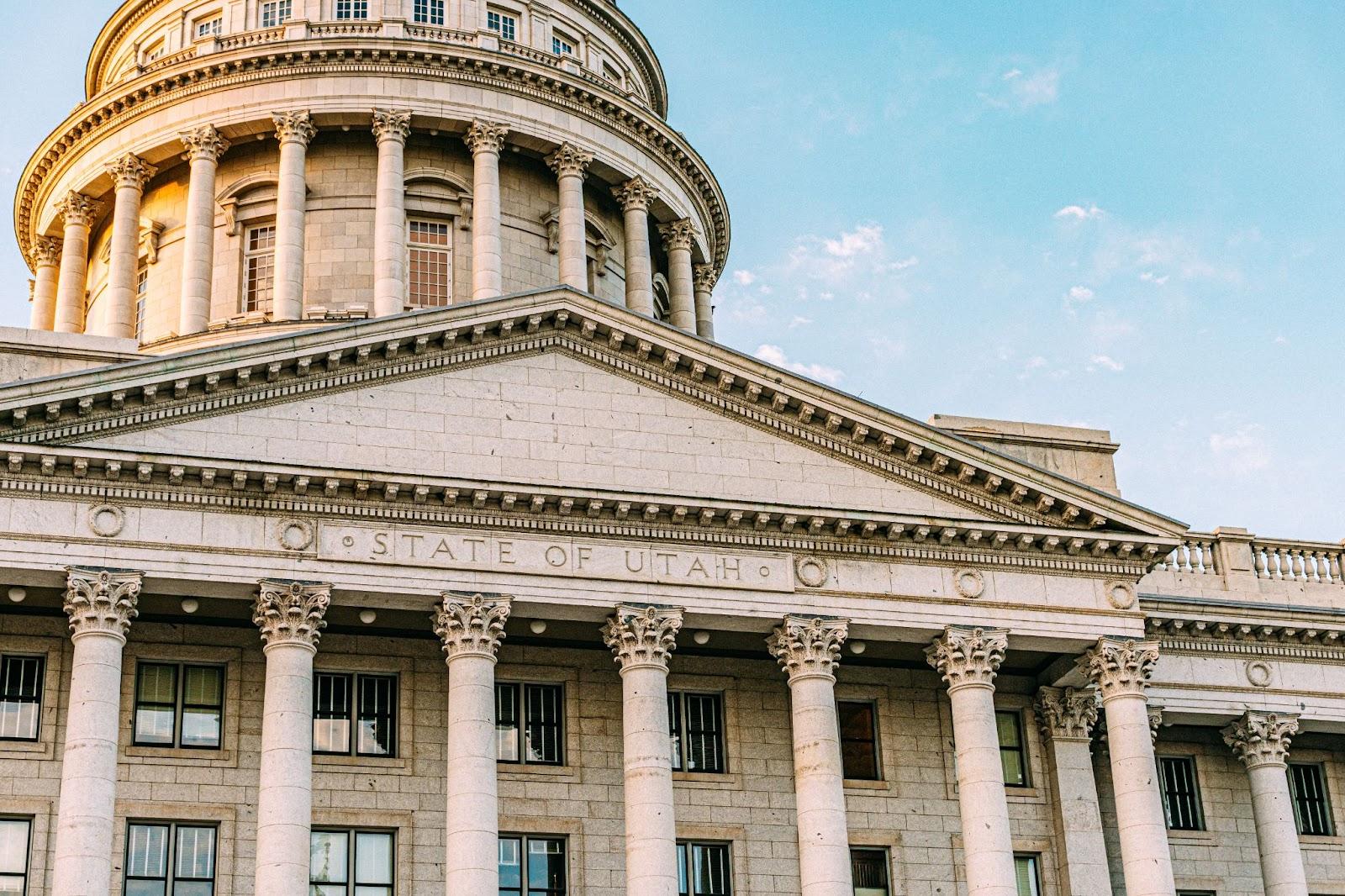
What does Gov. Spencer Cox’s new budget proposal say about his priorities? Let’s take a look at how he wants to spend $30.6 billion of taxpayers’ money next year.
Quick Budget Basics
In Utah’s state budget, we primarily have two big pots of money to play with: the income tax fund, which must be spent on education and some social services, and the general fund, which pays for just about everything else.
Each year, the governor proposes how he would like to spend that money, but the legislature makes the ultimate decision — and in recent years, lawmakers haven’t given Cox everything he wants.
What’s on the Table
The budget proposal is a whopping 200 pages long! Here, I’ve picked out a few highlights, from high to low:
- 📱$245.1 million to “safeguard children”: That looks like managing smart phone use in schools (a big pet peeve of the Cox administration) and some funding for school safety measures to prevent shootings. Another nugget would expand free lunch to students who already qualify for reduced-cost meals as well as using federal funds for summer meal programs.
- 💵$143.8 million Social Security tax cut: Cox wants to get rid of Utah’s tax on Social Security income for older Utahns as part of an effort to support our aging population. Analysts say it will save the average filer $950 and impact about 150,000 people.
- 💡$24.7 million for Operation Gigawatt: Giga-what did you say? That’s Cox’s goal to double Utah’s energy production in the next decade. Most of this funding (about $20 million) is to explore the development of nuclear energy in Utah. The rest would go toward geothermal research.
- 🏠$18.8 million for homelessness: Cox recommends funding “homelessness alleviation efforts,” including a second family shelter in Salt Lake County.
How To Weigh In
Approving the state budget is arguably lawmakers’ most important job during their annual general session, which starts Jan. 21, 2025. You can have a say in a couple of ways:
- Give public comment (this article is about commenting at local government meetings, but it has some helpful tips for crafting your message!) at legislative appropriations subcommittee and the Executive Appropriations Committee hearings. Those are the committees where lawmakers decide what they’re going to fund.
- Figure out who your senator and/or representative is, and contact them directly about your funding priorities.