As we brace for above-average summer heat this year, Utahns stare down their swamp coolers, aka evaporative coolers. Curious about the cooling system of the desert west? Here’s why Utahns have a love/hate relationship with them.
How a Swamp Cooler Works
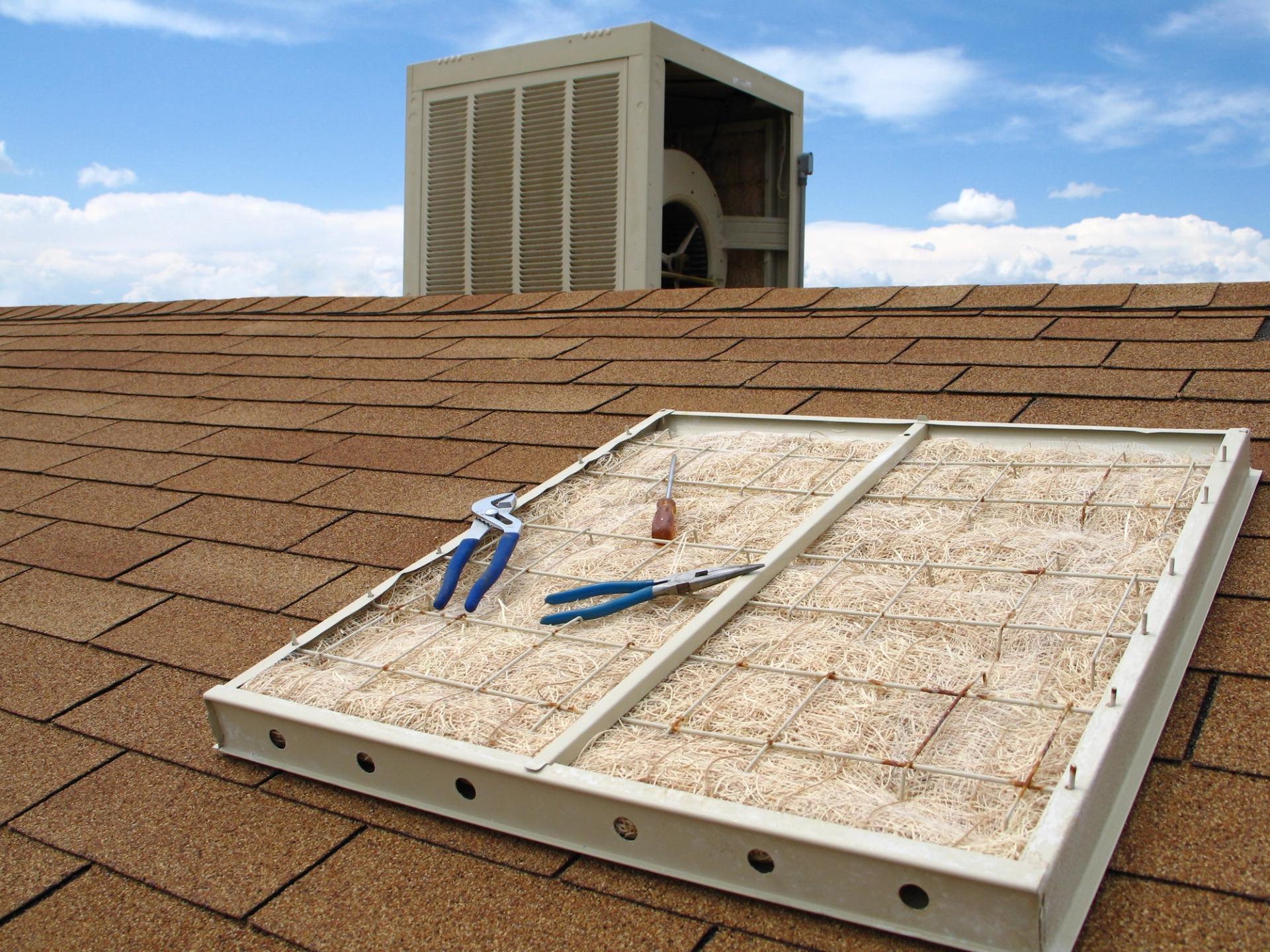
Water drips onto filter pads and a fan pulls hot air from the outside to evaporate the water and push down chilled air into the house. The key is that the hot air also needs to be dry for the water to actually evaporate, which makes them a good option for Salt Lake’s climate.
Benefits of Swamp Coolers
These units are much more efficient than air conditioners and fairly easy to maintain. Plus, they don’t emit the harmful greenhouse gases that AC refrigerants do.
Better yet, you can get up to $125 off evaporative coolers from participating Utah retailers through the WattSmart program, and a rebate of up to $400 through the Cool Cash program.
The Drawbacks
While they’re significantly more energy efficient, swamp coolers continually use water, a precious resource in our drought-stricken state — when’s the last time we heard good news about the Great Salt Lake?
And while swamp coolers are great for truly hot summer days, if it’s uncomfortably hot inside your home during “mildly warm” days, they’re not going to be much help. The outdoor temperature needs to be above 80 degrees for a swamp cooler to provide a significant benefit. And, it won’t make your home “cold” during summer the way a traditional air conditioner can.
It’s also worth mentioning that swamp coolers have been found to circulate higher levels of particulate matter and ozone than air conditioners. There isn’t enough data to conclude how harmful that could be, but it certainly affects indoor air quality on days with high ozone levels or even wildfire smoke.
The Right Swamp Cooler For You
These are your options:
🧊 Portable evaporative coolers are perhaps the most cost-effective way to cool things down. They’re ideal for single rooms and can easily be moved, though eventually they will raise the humidity enough to kill the chill. I use one in my garage and it’s perfect for the handful of hours I spend tinkering with whatever hobby I’ve gotten into.
🪟 In-window evaporative coolers are great for smaller spaces or if you’re renting, since they’re much easier to maintain and can be removed easily. There are also in-wall units that will require some modifications to your home but are still easy to maintain.
💨 Down-draft evaporative coolers are typically mounted on the roof and are a more permanent and effective option for larger homes. Just keep in mind that roof access can make maintenance tricky, and the up-front cost is higher if you want ducts to blow air into multiple rooms.
The U.S. Department of Energy has a handy website to help you choose the right swamp cooler and tips on how to maintain it.